
Real estate investment — calculating what you actually keep
The gross yield advertised and the money that actually lands in your account are two different numbers — and the gap can be as large as half. We calculate the second one: after non-resident tax, management company commission, maintenance and vacancy periods. Then we find you a property that can actually deliver that figure.

What makes up your income and what is deducted from it
Gross yield is the annual rent divided by the purchase price. It’s not what you receive: the property management company’s commission on short-term rentals takes 15–25% of income, tax non-resident — their share of the gross amount, property maintenance, and property tax — 1.5–2% of the property value per year, plus vacancy between guests. A holiday apartment with the advertised 11% gross typically yields 5–7% net. That’s a normal figure — the problem is when people call it eleven.

Non-resident tax — the line item missing from everyone else’s calculations
Mexico withholds 25% of gross rental income from non-residents without an RFC; with an RFC the rate drops to around 12%, and expenses become deductible — registration pays back in the first year. The US withholds 30%, Canada 25%, Spain 24% on gross amounts with no right to deduct anything at all. In the UAE there is no tax on rental income; in Georgia it is 5%. This single line shifts the choice of country more than any difference in rental yield.

Short-term or long-term
Short-term rentals at a resort yield 10–12% gross, but only at 60–70% occupancy per year and requires a management company. Long-term lets yield 6–7%, but with no operational overhead and with almost no vacancy. We look at the actual occupancy of neighbouring apartments in the same building, not not a city-wide average: within a single complex, prices can vary twofold.

Under construction vs. ready-built
During construction the developer offers instalment payments and locks in the price: in Cancún the difference between the foundation stage and completion over a 2–3 year horizon is 20–40%. In return, you take on developer risk and live for several years without rental income. A completed property delivers income from the first month, but costs more. Both strategies work — the choice depends on whether you need cash flow or capital growth.

What we check before you pay the deposit
Title and encumbrances, building permits, the developer’s track record and financial standing, land status (ejido plots in Mexico don’t provide a proper title, and no trust will fix that), the real condo fees and the complex rules — in many buildings, short-term rentals are explicitly prohibited by the rules, and owners only find out after purchase.

Asset management
After the transaction, the property needs to be rented out, maintained and reported on for tax purposes. We take care of this themselves: check-in and cleaning, repairs and furnishings, monthly report with actual in figures, local tax filings. On exit — sale preparation and the transaction itself.

Where we’re looking right now
The primary focus is Cancún and the Riviera Maya: steady tourist flow, dollar-denominated rates, purchase by a foreigner through a fideicomiso trust, entry from $262,000 at pre-construction. Next — UAE (zero tax on rental income and residency from AED 750,000), Chile, Panama and Uruguay — for those who want all of Latin America, not just one resort.
Calculate your yield
With non-resident taxRates are pre-filled based on the city market — any figure can be adjusted for a specific property. The calculation shows both the gross and net figures, and exactly what disappears in between.
Your criteria
Rates are pre-filled based on the city market. Any figure can be adjusted.
Check rates manually
What the outcome will be
More important than yield. Coastal property is held through a bank trust — fideicomiso — with maintenance fees of around $500–700 per year, already factored in.
We’ll find a property that fits your strategy
Seven questions about your goal, budget, and timeline. In return — two or three properties with a net-yield calculation, not a list of everything on the market.
What is your purpose for buying the property?
We respond ourselves — usually within an hour. But if you need it faster, message us on WhatsApp: your answers are already filled in, no need to type nothing needed.
Message on WhatsAppMessage us on TelegramInvestment properties in Cancún — now available
Projects we manage ourselves. For each one we’ll send you a return calculation, floor plans, price list and transaction cost breakdown.
















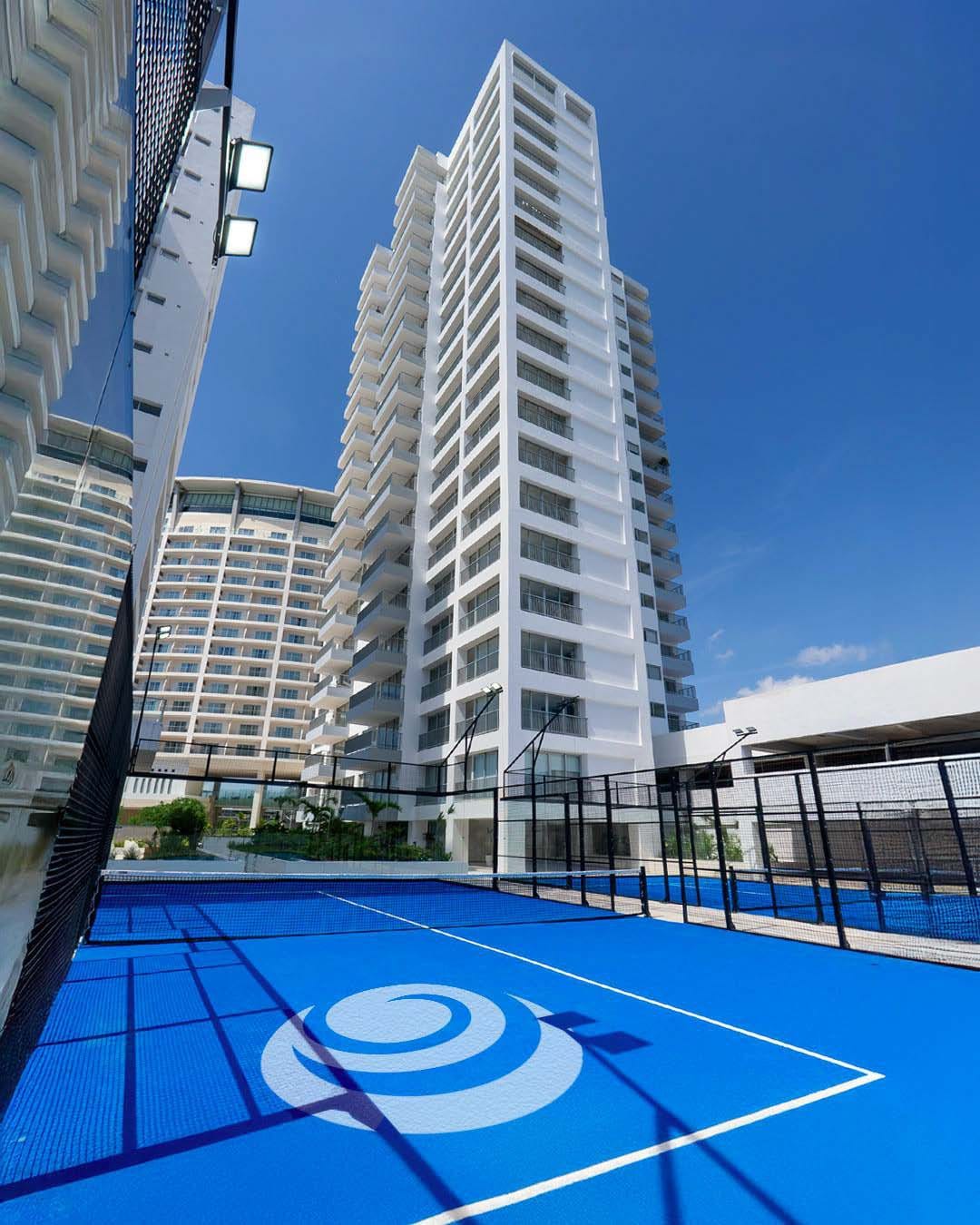
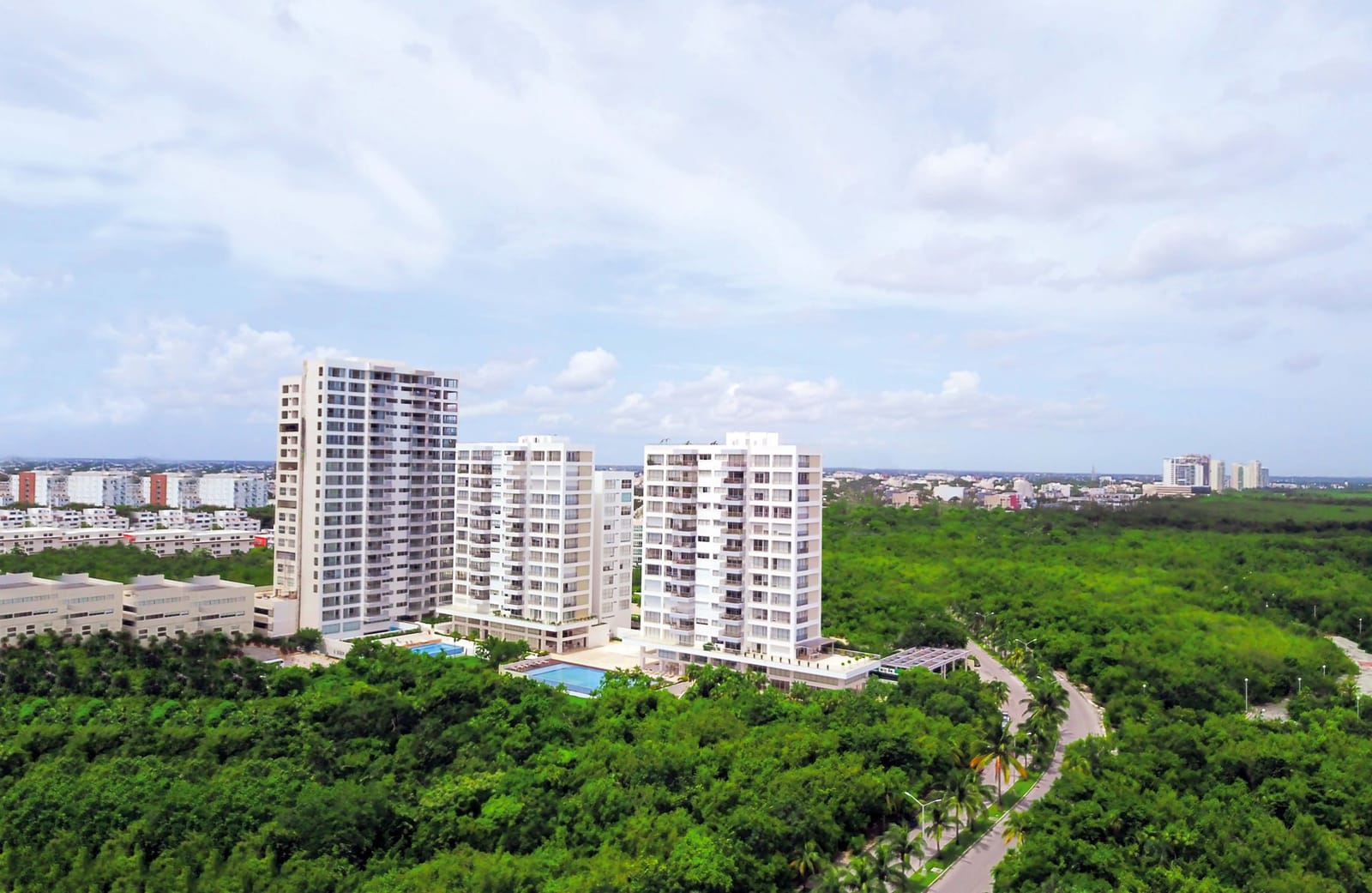
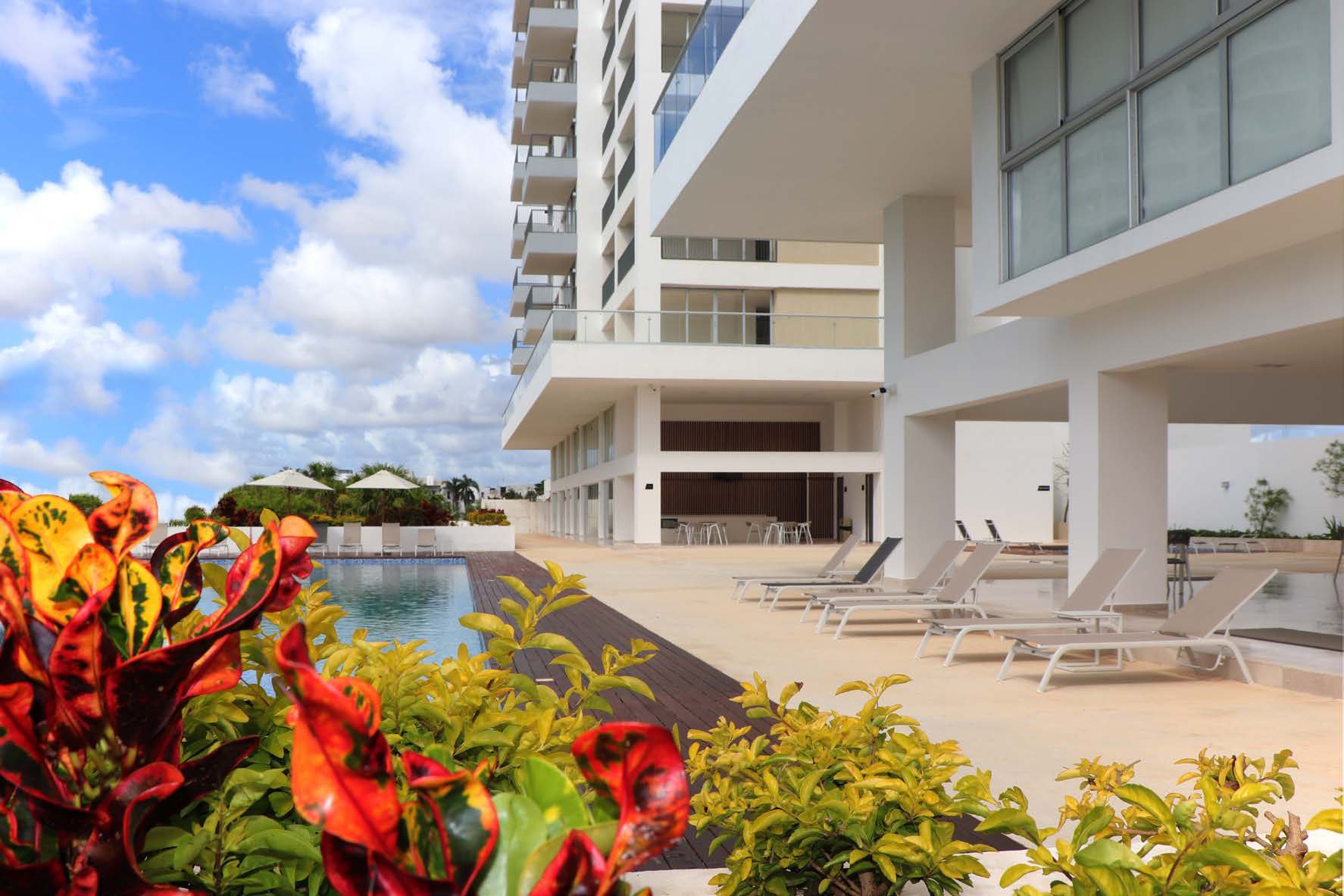

All properties in Cancún (11) →
Didn’t find what you were looking for? Write to us on WhatsApp — we’ll find the right fit for your goal.
Frequently asked questions
What rental yield is considered normal for overseas property?
Gross 7–12% and net 5–8% is a working benchmark for resort markets like Cancún, Phuket or Bali. In Europe the figures are lower: gross 4–6%, net 2–4%. If someone promises 15% net, ask exactly what they deducted.
What tax does a non-resident pay on rental income?
Mexico withholds 25% of gross rental income from non-residents without an RFC, and 12% for those with an RFC; the US withholds 30%, Canada 25%, Spain 24% on gross income with no deductions allowed. The UAE has no rental income tax; Georgia charges 5%.
What is more profitable — short-term or long-term rental?
Short-term rentals yield higher gross returns, but 15–25% goes to the management company and income depends on occupancy. Long-term rentals offer lower rates but predictable income with minimal operating costs. At a resort, the difference in net yield is usually smaller than it appears.
Is it worth buying at the construction stage?
A developer instalment plan lets you lock in the price and spread payments out, and on rising markets the gap between off-plan and handover prices can reach 20–40%. In return, you take on developer risk and go several years without rental income. These are different strategies, not one being better than the other.
Can you invest from Russia in 2026?
Yes. Direct bank transfers from Russia do not go through, so we route the payment via a legal channel, timed to coincide with the transaction date. We also prepare a source-of-funds confirmation for the bank and notary separately.
- Purchase — you pay nothing. Neither the consultation, nor the search, nor transaction support. The buyer’s agent fee is paid by the seller.
- Rental only, no purchase option in Spain and in Italy. There the price is — one month’s rent plus VAT 21 %, two payments: the first 40 % cost of the service before work begins, in Barcelona — 1 000 €, in Valencia and Alicante — 726 € VAT included, balance on signing the tenancy agreement. In all other countries, rental search is free of charge.
- Residence permit and status — paid service, handled by SVOY Legal attorneys. Situation review free; the cost of processing depends on the country and the basis — full pricing is on svoy.io.
- We search until you move in. Work begins after the service agreement on the service and the opening of a working chat — not after a phone call.
- The ’Before move-in». We don’t close the task at the fifth option — we work through 40–100+ properties and keep searching until you move in. If the service is not delivered, the first payment refunded under the contract.